



FAQ
What is a modern skirting board? +
Modern skirting board profiles tend to favour clean geometry over ornate curves. Think square edges, stepped sections, and linear grooves rather than traditional Ogee or Torus shapes. Profiles like Bullnose, Stepped 4, and 15mm Grooved all sit within the modern category, though each has a different character. Bullnose is smooth and minimal, Stepped 4 creates shadow lines through layered geometry, and the Grooved range uses parallel cuts for shadow gap detail.
Are modern skirting board profiles minimalist in style? +
Many are, but not all. Profiles like Bullnose and Square Edge are about as minimal as skirting gets. Others - the Stepped 4, for example - are more intricate, with layered geometry that creates depth. Modern and contemporary skirting boards both tend towards clean edges and angular detail, but there's a wide range within that. Some are plain, some are quite involved. The thing they have in common is straight lines and geometry over curves and ornamentation.
What height works best for modern skirting? +
Most customers buying modern skirting choose between 95mm and 145mm. These shorter heights suit the simpler profiles and keep wall proportions looking right in rooms with standard 2.4m ceilings. Taller profiles (194mm and above) work well if you have higher ceilings and want the design detail to stand out more. If you're unsure, our skirting board height visualiser helps you see how different heights look against your wall.
Do modern homes still have skirting boards? +
Yes. The vast majority of new build homes retain skirting boards as standard. They conceal the expansion gap between flooring and walls, protect plaster from scuffs and vacuum cleaner bumps, and provide a finished junction between surfaces. Even in minimal interiors, skirting boards serve a practical purpose that alternatives like shadow gaps struggle to match without significantly higher installation costs.
What paint finish suits modern skirting? +
Satin and eggshell finishes have overtaken gloss as the popular choice for modern skirting. They're less reflective, which suits the clean aesthetic. Matt finishes work too if you prefer even less shine. White remains the default, though grey has become a common alternative. Some homeowners match the skirting colour to their walls so the profile reads as texture rather than a separate piece of trim. We also offer a satin black finish for a bolder contrast. Our undercoated finish gives you a smooth white base that's ready for your final coat straight away.
How do I measure for skirting boards? +
Measure the total length of each wall in the room, then add around 10% for cutting waste at corners and joins. Our skirting board calculator works this out for you. For height, consider your ceiling height and any existing features like dado rails or architrave. The average skirting height in UK homes is 145mm.
Can I hide cables behind modern skirting? +
Yes. When ordering, select the rebate option to have a channel machined into the back of the skirting board. This creates space for pipes or cabling to run behind the board, keeping walls and floors clear of visible wiring. Worth doing in modern interiors where exposed cables would spoil an otherwise clean finish.
Clean Lines, Geometric Shapes
A modern skirting board moves away from traditional curves in favour of square edges, stepped layers, and linear grooves. These contemporary skirting board designs use deliberate geometry to create shadow lines and depth, and they work well in both new builds and renovations where you want a cleaner finish at floor level. Our guide to modern skirting boards covers what to look for when choosing.


Choosing A Modern Skirting Board Style
Room Proportions
Taller ceilings support taller skirting. For standard 2.4m ceilings, 95mm-145mm keeps things proportionate. Rooms with 2.7m ceilings or above can take 194mm and higher without looking top-heavy.
Existing Details
Period properties with ornate cornicing or picture rails can look awkward with geometric skirting. Different types of skirting board suit different architecture - if the rest of the room has curves, traditional profiles like Ogee or Torus sit more comfortably. Modern skirting works best where the surrounding details match.
Installation Precision
Square edges and geometric detail show gaps more than curved profiles do. Modern skirting assumes reasonably true walls and floors, and benefits from clean mitre cuts. If you're unsure, order free samples to see the profile against your walls before committing.
Available Sizes and Finishes
| Specification | Options | Notes |
|---|---|---|
| Height | 70mm - 400mm | 95mm-145mm most popular for modern skirting profiles |
| Thickness | 15mm, 18mm, 25mm | 18mm suits most rooms |
| Length | 3050mm, 4200mm | Longer lengths mean fewer joins |
| Finish | Unprimed, primed, undercoated, matte grey, satin black | Factory applied |
Customer Projects

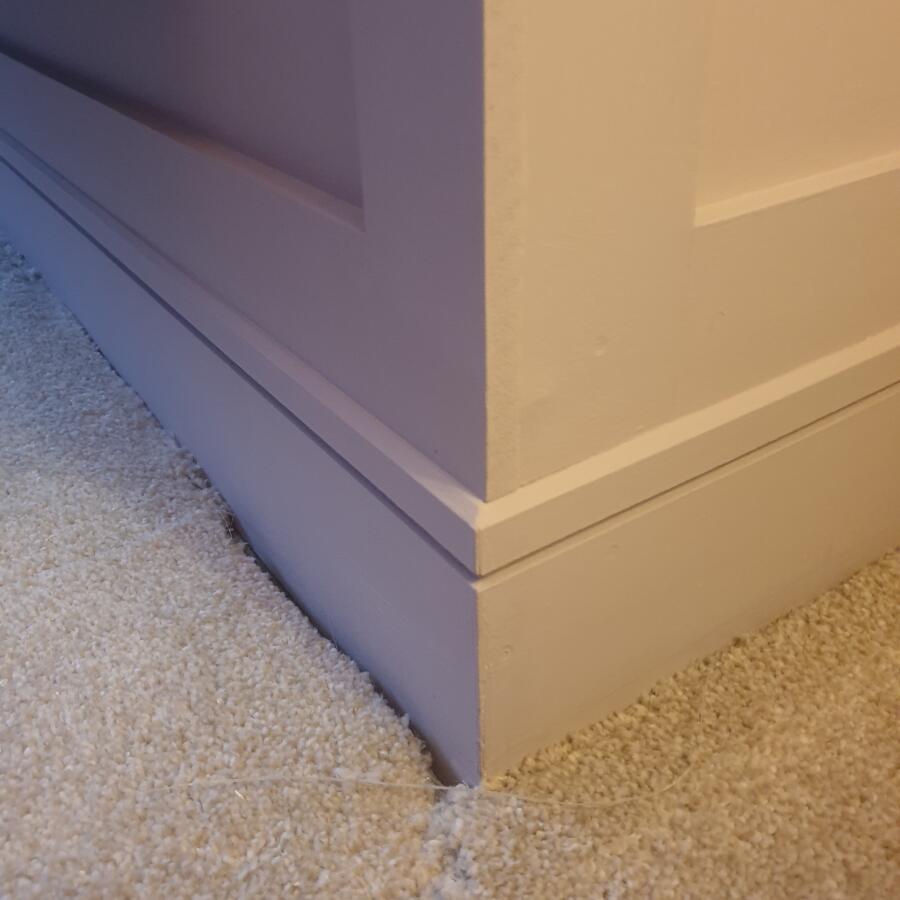
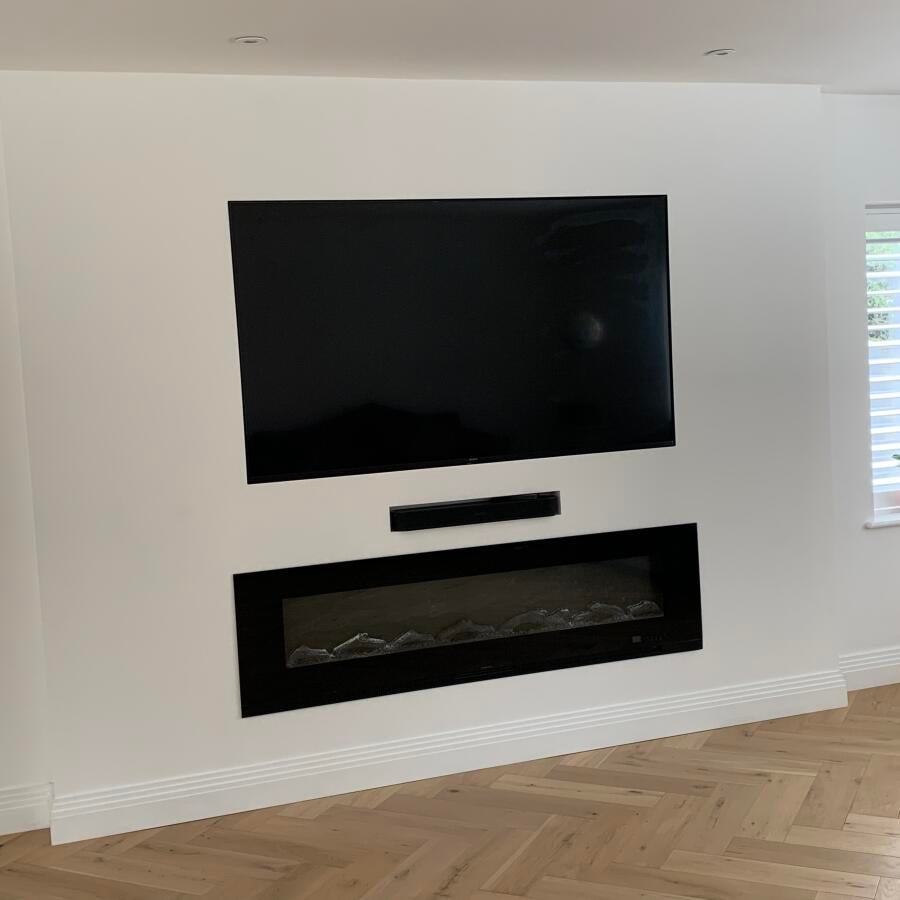
Fitting Modern Skirting Boards
Preparation
Remove old skirting if needed. Clean the wall surface, check for level, and mark your cutting lines.
Cutting
Use a mitre saw for corner angles. Modern profiles show gaps more easily, so precision matters here. Trial fit before fixing.
Fixing
Apply adhesive, nails, or screws to secure the board firmly to the wall. A combination of adhesive and nails gives the strongest hold.
Finishing
Fill nail holes and any small gaps with wood filler. Sand smooth once dry and apply your chosen paint finish.
Made to Order in Birmingham
Every skirting board is machined to your specifications in our factory. Choose your profile, height, thickness, length, and finish - our machinists cut each piece fresh from moisture-resistant MDF. No warehouse stock means consistent quality and precise dimensions.
Need a Profile You Can't Find?
If you're matching existing skirting or have a specific design in mind, our in-house team can create a bespoke profile from a drawing or sample section. We get a custom cutting tool made and manufacture the boards to match. Most skirting board profiles also have a matching architrave available, so you can keep a consistent look across skirting and door frames.