



Coloured Skirting Boards | Skirting Colour Visualiser | 2026 | Baseboard Colors
Posted by Sultan Khan | Aleesha Gohil on 17th Apr 2026
Coloured skirting boards can do one of two jobs. They can disappear into the room, making the walls feel calmer and more continuous, or they can quietly frame the space and give it definition. Neither approach is automatically better. The right one depends on how much contrast you want, how much natural light the room gets, and whether the colour is repeated elsewhere in the scheme.
White and cream are still the most common skirting board colours, with green, charcoal, black, blush, burgundy, taupe, and stained timber following behind. That matters because it shows the real pattern: neutral skirting remains the easiest option, but stronger colours work well when they are echoed in panelling, cabinetry, wallpaper, architrave, or furniture.


Quick answer
- White or cream is still the safest all-round choice if you want flexibility.
- Skirting boards painted the same colour as the walls can make a room feel more settled and more architectural.
- Dark skirting boards work best when the room already has other dark details, such as a fireplace, door furniture, panelling, or wallpaper outlines.
- If you are unsure, order samples and test the colour against your wall paint in morning and evening light before committing.
Tap or click any image to view it at a larger size.
Skirting boards the same colour as walls
Painting skirting boards the same colour as the walls is one of the simplest ways to make a room feel more coherent. Instead of creating a hard horizontal line around the floor, the trim becomes part of the architecture. This tends to work especially well in bedrooms, hallways, and smaller reception rooms where you want the eye to move smoothly.
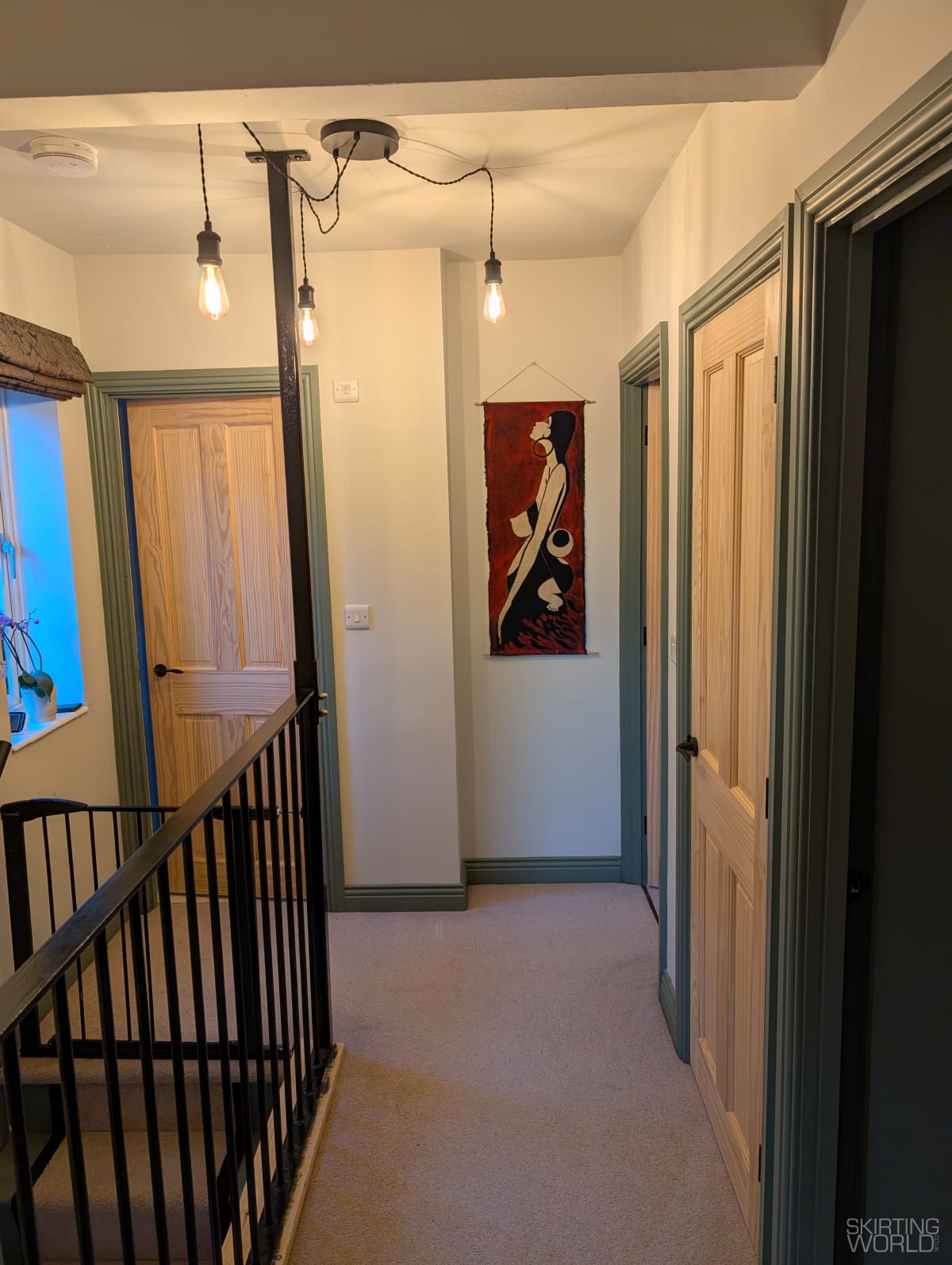
The approach can be very soft, such as pale blue or warm greige, or much more dramatic, such as charcoal, burgundy, or deep green. The common thread is repetition. If the skirting colour appears somewhere else in the room, it looks deliberate. If it appears nowhere else, it can feel dropped in.

Interior Design Specialist
"As a designer, I see coloured skirting boards as an opportunity to really refine a scheme rather than just finish it. I’m particularly drawn to tonal colour pairings - for example, a soft sage green wall with a slightly deeper olive skirting works really well because it adds depth without breaking the flow of the room. From my experience during university projects, I found that colour drenching in smaller spaces was especially effective; I used it in one concept and the room immediately felt more cohesive and intentional, which wasn’t what people initially expected. I think coloured skirting works best when it feels integrated into the overall palette, rather than standing out for the sake of it. Bolder contrasts can work, but only when they’re clearly supported elsewhere in the scheme - otherwise they can feel quite disconnected. Overall, I think using colour on skirting boards is a simple way to make a space feel more designed and less generic."
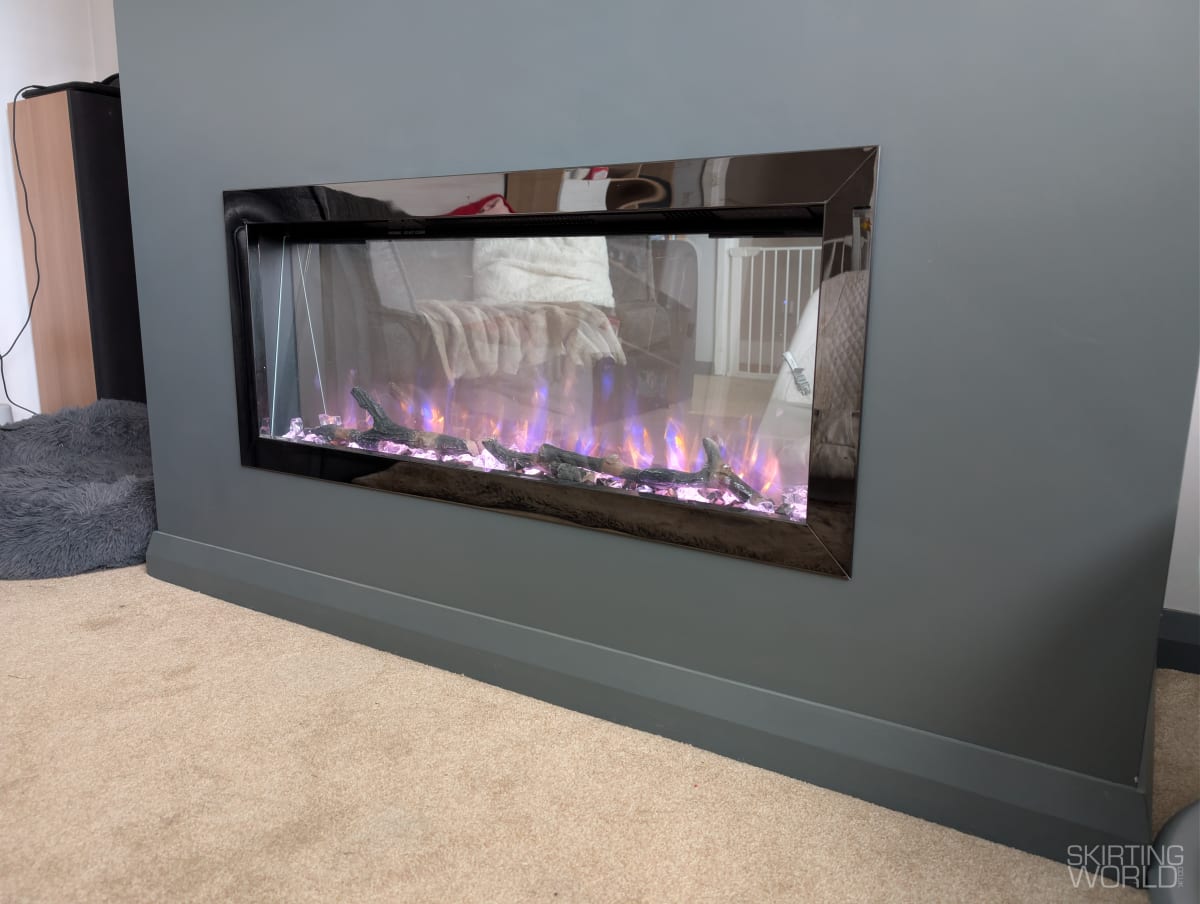
If you already know you prefer darker schemes, it is worth reading our guides to black skirting boards and grey skirting boards after this one.
When this approach works best
- You want the room to feel taller or less busy.
- You have wall panelling and want the joinery to read as one surface.
- Your walls are already a strong colour and white trim would feel too sharp.
- You prefer a quieter finish over a traditional contrast line.
White and cream skirting board ideas
White is still the most popular skirting board colour for a reason. It suits almost every wall colour, it makes profile detail easier to see, and it leaves you more freedom to repaint the rest of the room later. Cream does a similar job, but with a softer edge, especially in homes with warmer whites, beige stone, brass hardware, or older timber floors.
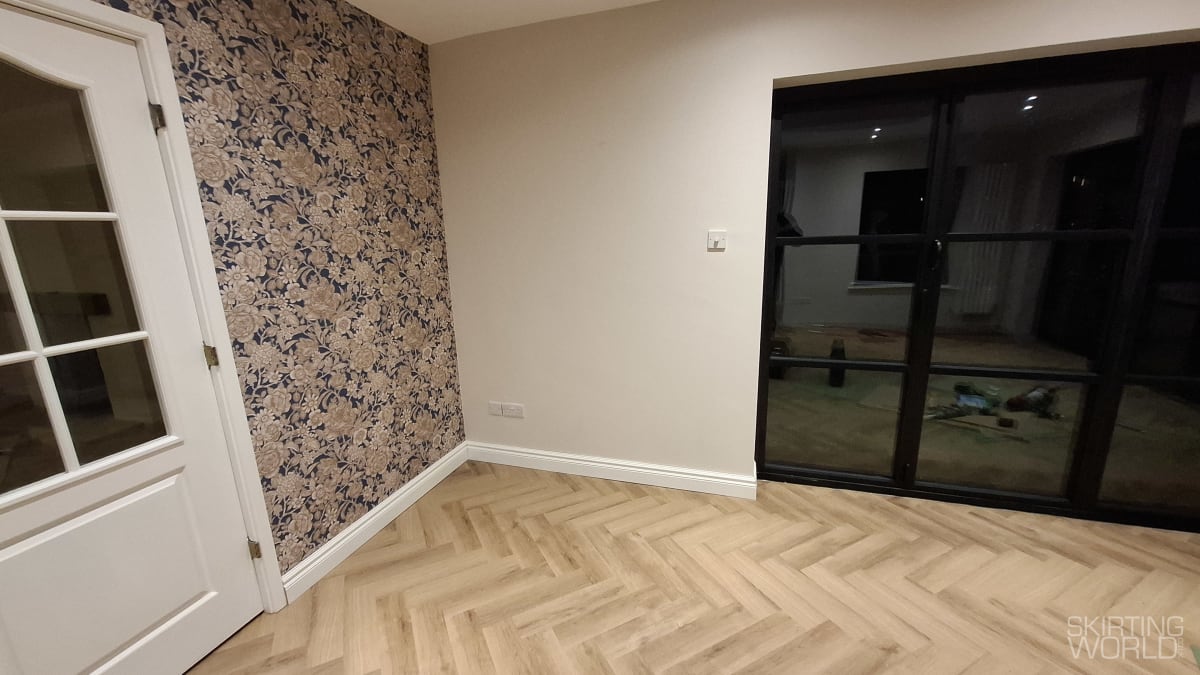


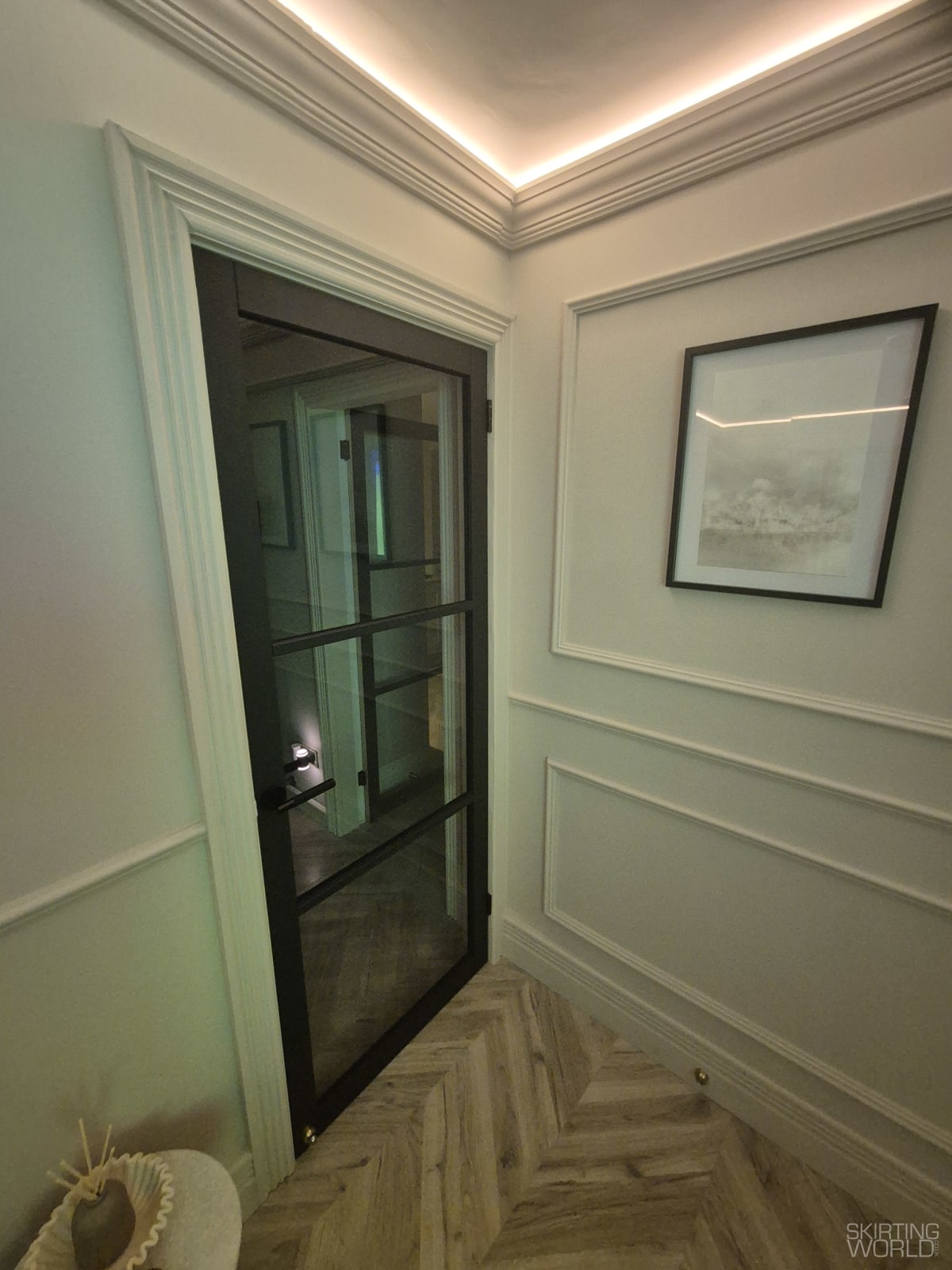

If you are buying new boards rather than repainting existing ones, start with the main skirting boards range or the full MDF skirting boards collection. White and cream suit almost every profile, from simple chamfers to more traditional ogees and lambs tongues.
Green skirting boards, from sage to deep teal
Green is one of the easiest colours to use on skirting boards because it can lean calm or dramatic without feeling harsh. Sage works well in kitchens, bathrooms, and rooms with warm neutrals. Deeper teals and petrol blues bring more contrast, especially when they are repeated on panelling, wallpaper, or cabinetry.

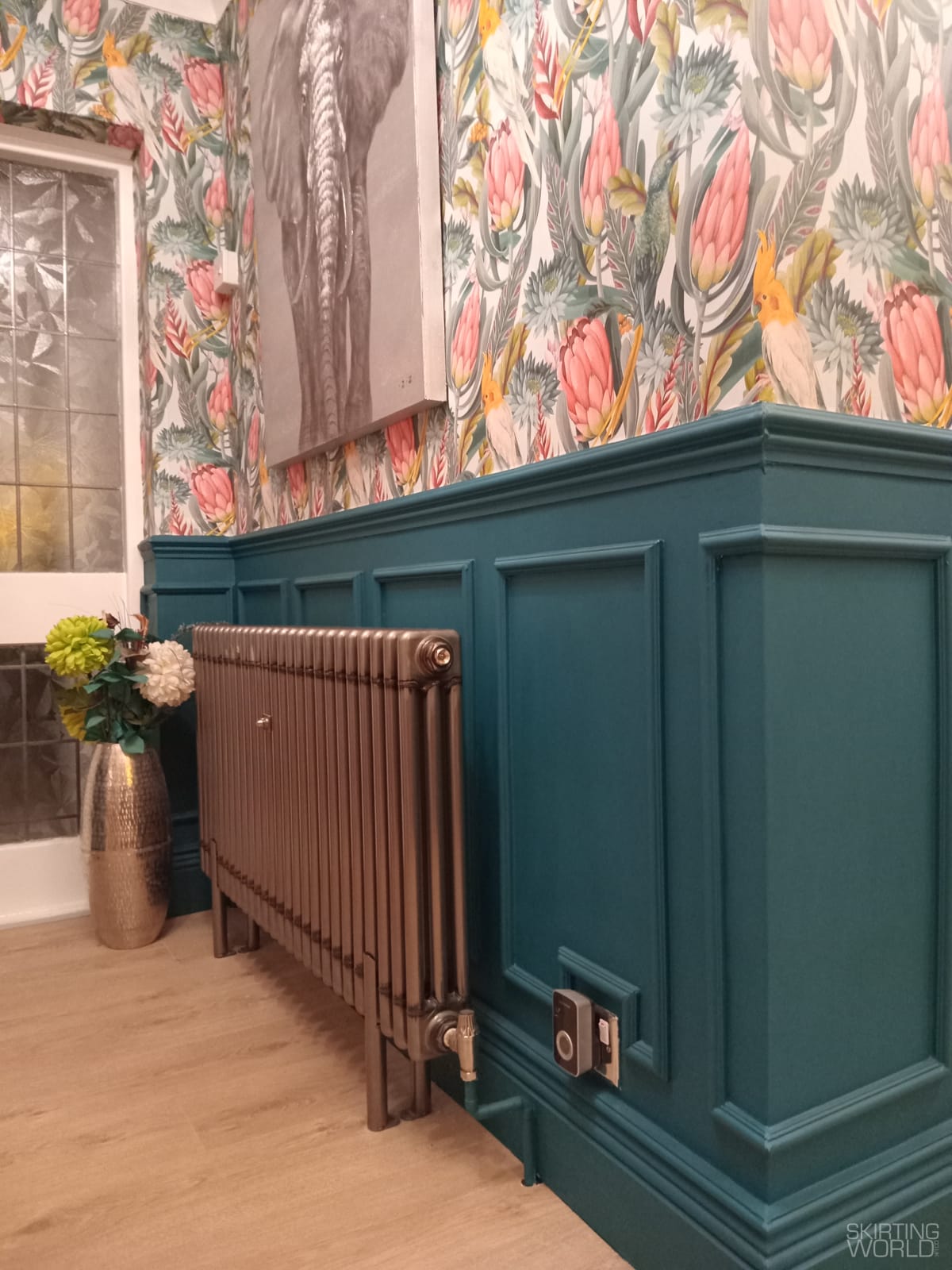


When you are comparing greens, pay more attention to undertone than to depth. A green with a grey base usually sits comfortably with stone, oak, and off-white. A greener, cleaner tone can work as well, but it needs more confidence elsewhere in the room.
Grey, charcoal, and black skirting boards
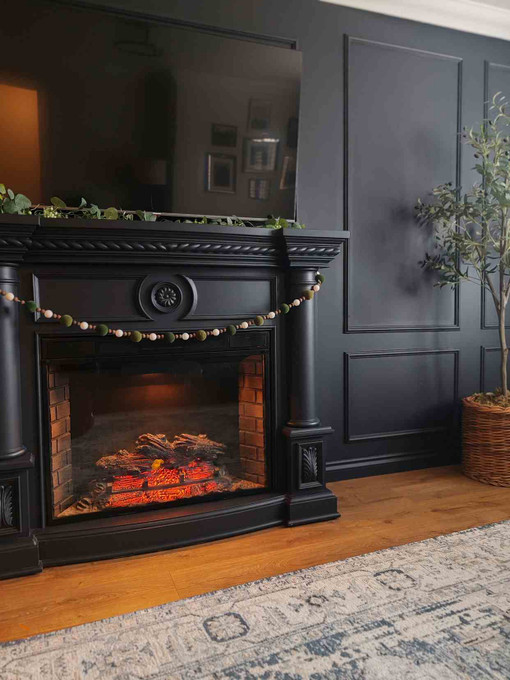
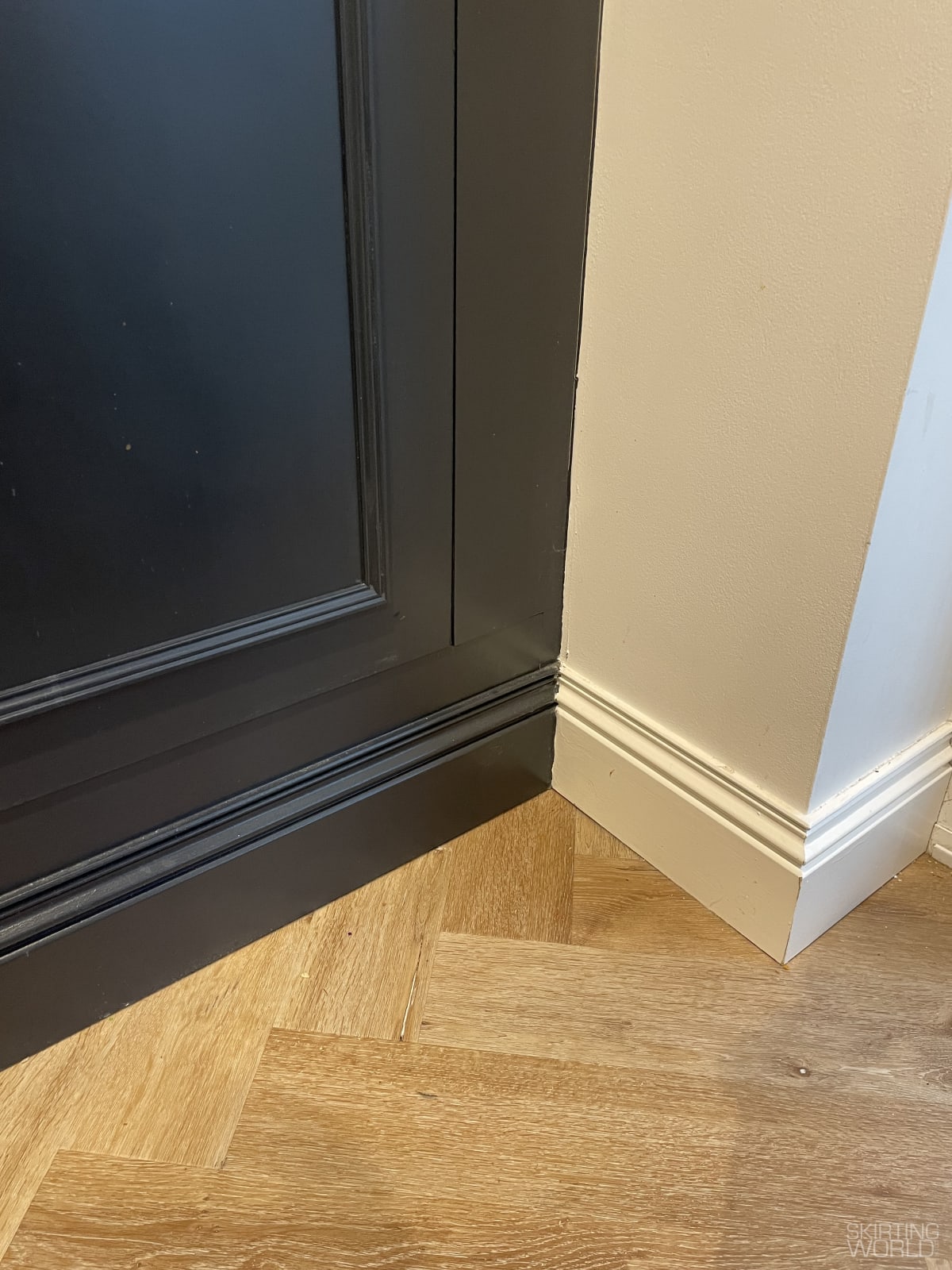
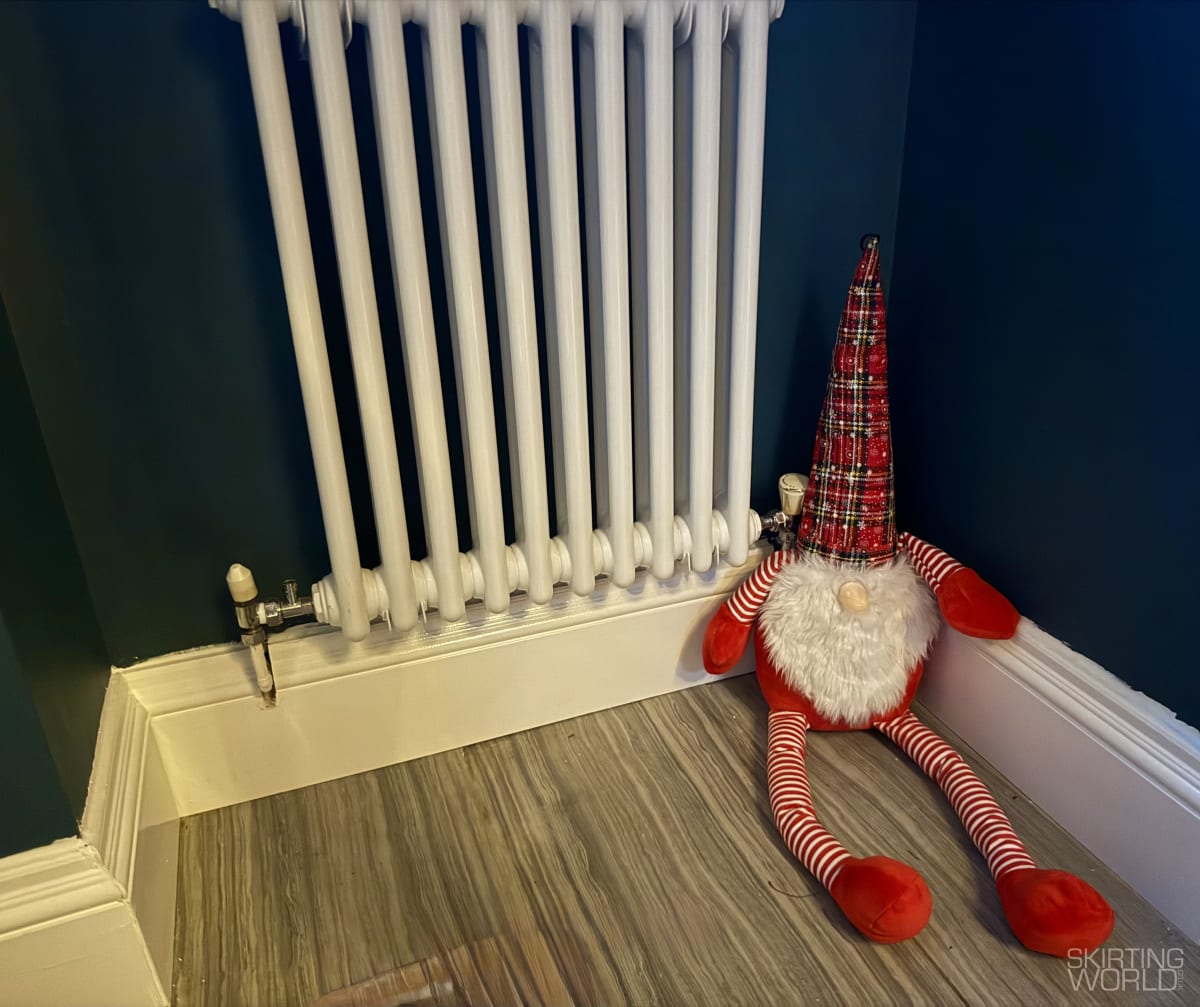
Dark skirting boards are not automatically heavy. In the right room, they can sharpen the architecture and make lighter walls look cleaner. The key is balance. If you choose charcoal or black skirting, give the colour something to relate to, such as a dark fireplace, picture frames, ironmongery, lighting, or dark panelling.



A simple rule for dark trim
If the room already feels low, shaded, or visually busy, dark skirting can make it feel tighter. If the room has good light and a fairly edited palette, dark trim can look crisp rather than heavy.
Pink, burgundy, and taupe skirting board ideas
Stronger warm colours are less common, which is exactly why they can look so effective when used with restraint. Blush and dusty pink feel gentle when paired with wallpaper, panelling, or cream walls. Burgundy and oxblood feel richer and more enveloping, but they usually need a confident room around them.


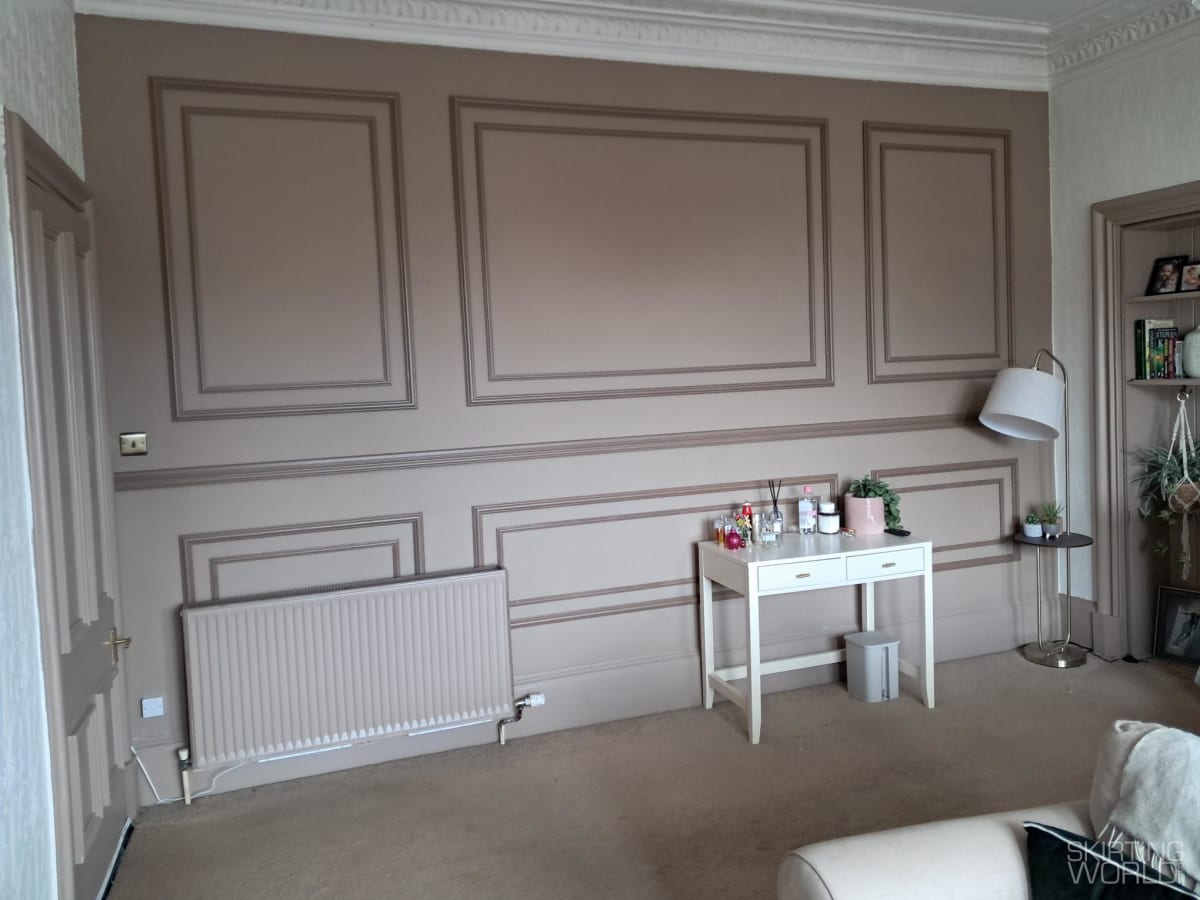

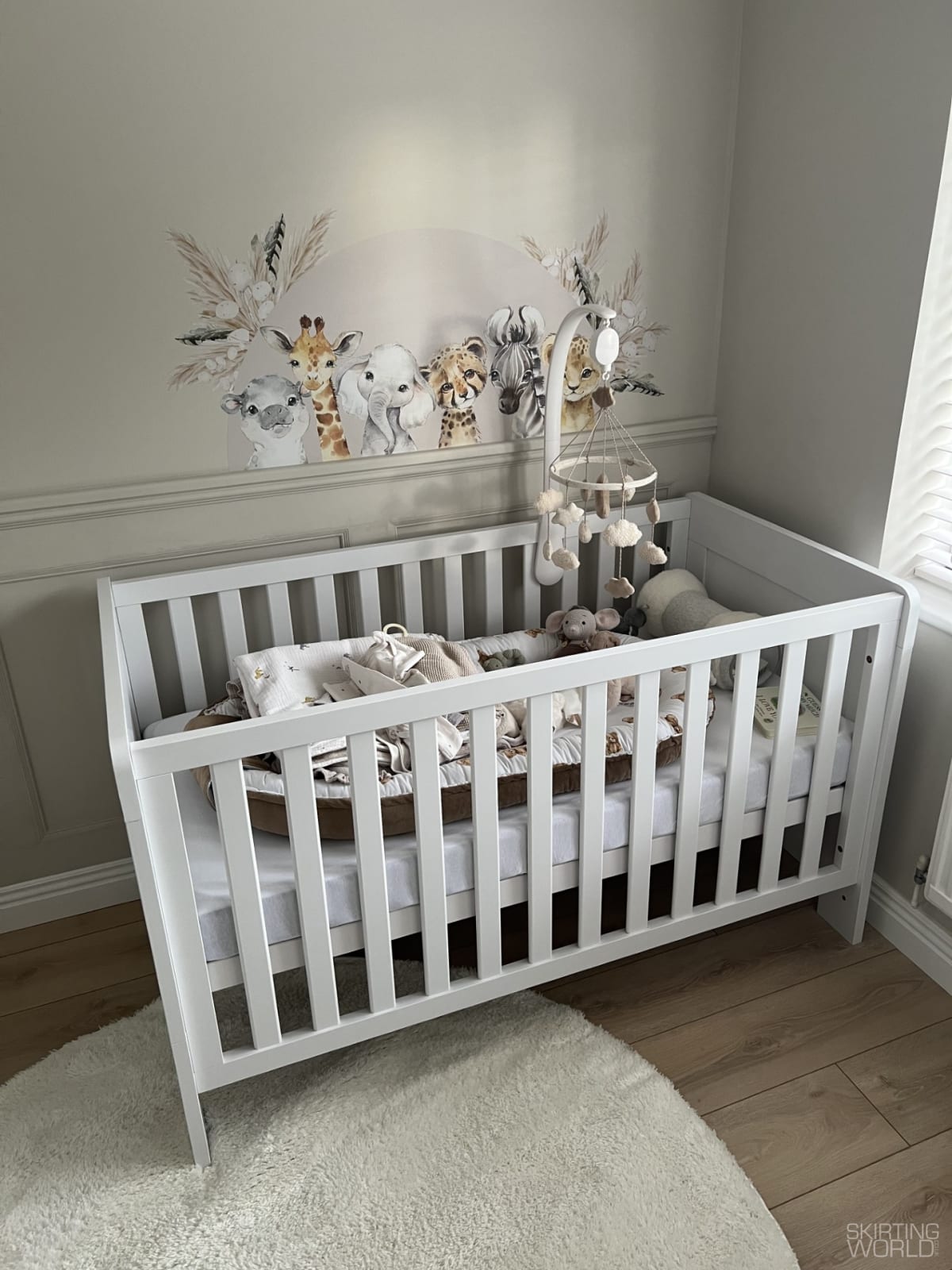
Warm colours generally look better when they are slightly muted. Clear, bright versions can work in children's spaces or playful rooms, but for most interiors a dustier version sits more comfortably with flooring, metals, and furniture.
How to choose the right skirting board colour
If you strip the decision back, there are really four things to check: wall colour, floor tone, light, and how much detail you want the trim to have. That sounds obvious, but it stops most mistakes.
Paint shade directions that usually work
If you are using paint cards from brands such as Farrow & Ball, Little Greene, or Dulux, the easiest route is to look for shade families rather than chase a single name. In practice, coloured skirting boards tend to work best in muted charcoal, soft sage, olive, petrol blue, dusty plaster pink, mushroom taupe, or deep burgundy. Those shades usually have enough depth to feel intentional, but not so much brightness that the trim dominates the room.
If you are repainting existing boards, our guide to painting MDF covers the prep properly. A good colour choice can still look poor on a rushed finish.
Should skirting boards match architrave and door frames?
Usually, yes. If the skirting is coloured, carrying that same colour onto the architrave often makes the room feel more finished. It turns separate lines into one joined trim language. This is especially helpful in hallways, staircases, and rooms with panelling, where several different pieces of joinery meet.
That does not mean every surface has to match. You can keep the doors lighter or darker if you want contrast, but it usually helps to keep the surrounding trim consistent. If you are planning a coordinated scheme, browse the main architrave range or the dedicated MDF architrave collection alongside your skirting profile.
A practical decision rule
If you want a calm result, match skirting and architrave. If you want a more layered result, let one stay quiet and let the other carry the colour. Avoid making every line in the room compete.
FAQs
What colour is best for skirting boards?
There is no single best colour for every room, but white and cream remain the easiest all-round options. If you want a quieter, more architectural look, matching the skirting to the wall colour can work very well.
Should skirting boards be lighter or darker than the wall?
Either can work. Lighter skirting gives a clearer traditional contrast. Darker skirting feels stronger and more decorative. Same-colour skirting removes the contrast line altogether and often feels calmer.
Is it a good idea to paint skirting boards the same colour as the walls?
Yes, especially in smaller rooms, bedrooms, hallways, and spaces with panelling. It can make the room feel more joined-up and less visually broken at floor level.
What is the most popular colour for skirting boards?
White is still the most common skirting board colour, with cream close behind in warmer interiors. In the customer gallery reviewed for this article in April 2026, white and cream appeared more often than any other colour family.
What is the trend in skirting boards in 2026?
As of April 2026, the strongest direction is coordinated trim rather than default white contrast. That includes skirting painted to match the walls, panelling, or cabinetry, plus muted greens, charcoals, plaster pinks, and other softer, less stark colours.
Are dark skirting boards a good idea?
They can be, provided the room has enough light and the colour is repeated elsewhere. Dark skirting tends to look better when it relates to a fireplace, panelling, wallpaper, door furniture, or other dark details.
Should skirting boards match door frames?
In most cases, matching the skirting and architrave gives the cleaner result. It makes the trim feel consistent throughout the room, particularly when you are using colour rather than plain white.