



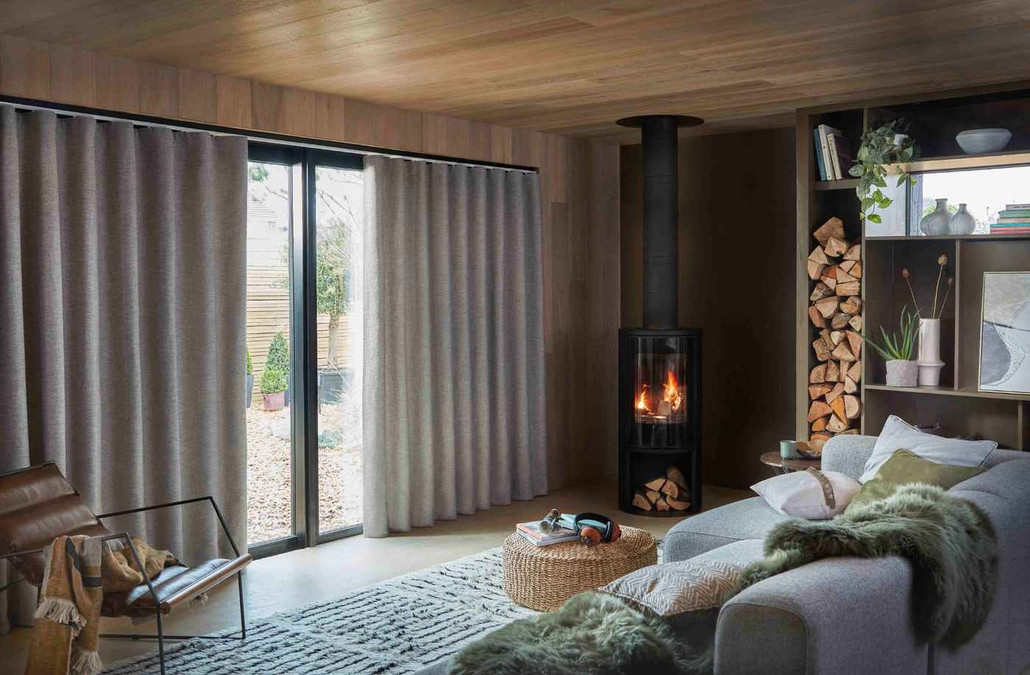
Layering textures through curtains, paint and woodwork
Posted by Yvonne Keal | Sultan Khan on 30th Jan 2026
Professional interior design creates spaces that have depth and character. Even when styling minimalist aesthetics, an expertly designed room will have visual interest and a cohesive flow that turns simple spaces into welcoming homes. The key? It all comes down to layering.
Guest contribution: This article is a collaboration between Hillarys and Skirting World. Learn the basics of interior design layering, focusing on curtains, paint, and woodwork.
Why layering in interior design?
Layering in interior design involves thoughtfully combining different elements within a space. These can include colours, lighting, patterns, heights, and - most importantly in this guide - textures. The aim of layering is to add personality and charm, creating rooms that feel richly dynamic.
Intention is a core foundation of successful layering. There needs to be a reason behind each design choice that links your entire space together, establishing a clear mood and aesthetic. You want to create a home that appeals to all the senses without being overwhelming, which isn't always an easy task.
Why is layering textures important?
Layering textures in interior design brings life to a space. It turns flat, cold interiors into rooms that feel lived in and welcoming.
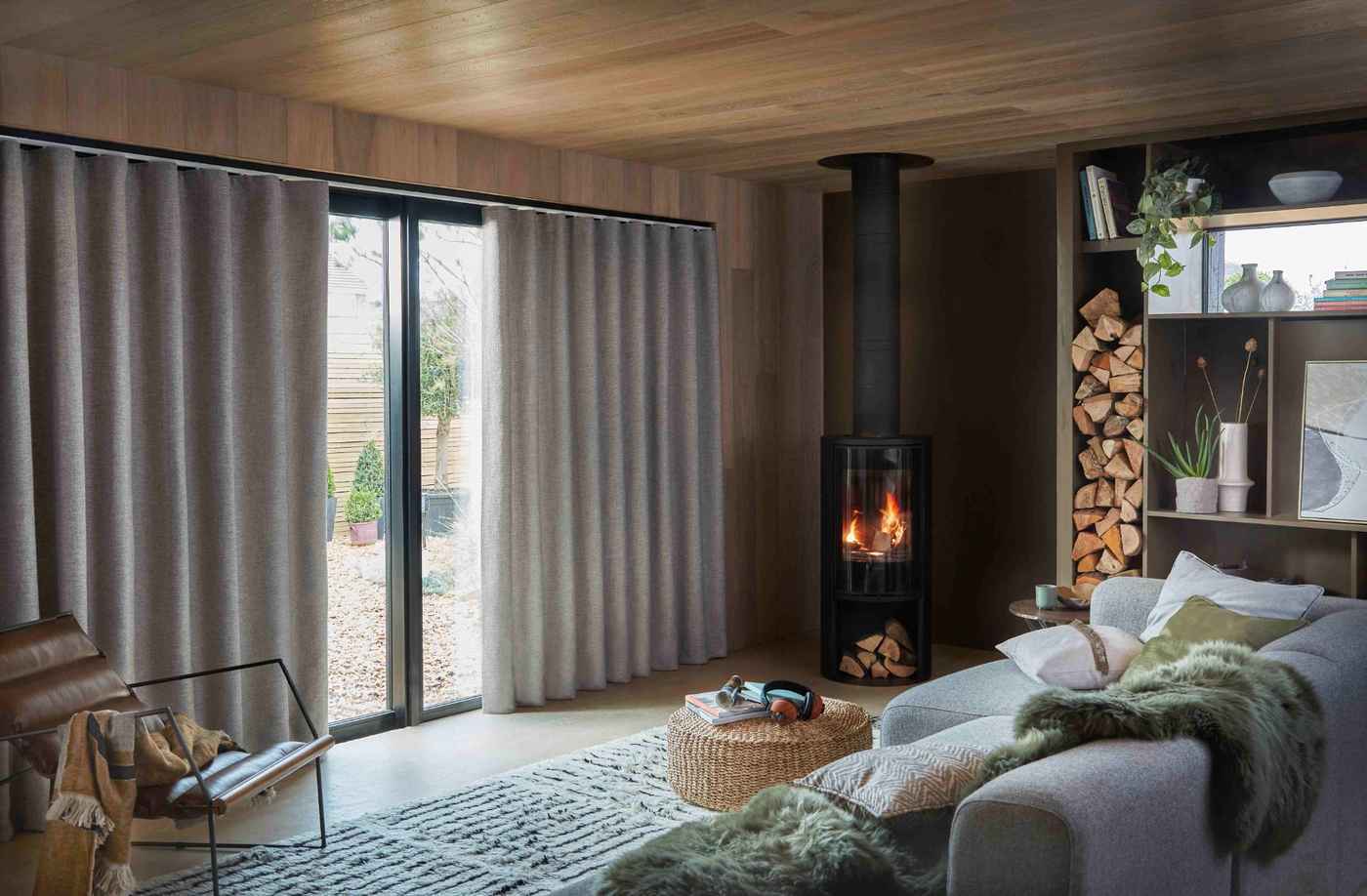
This technique is crucial for evoking moods, too, and guiding your overall aesthetic. For example, smooth, glossy surfaces feel refined and modern, lending a sophisticated air to interiors. Soft, plush textures, like wool and faux fur, are cosy, warm, and create rooms that feel relaxed.
By consciously layering, you gain control over how people feel when they walk into your home.
You can also use textures to tie different elements together, creating harmony between furniture, finishes, and accessories that might otherwise feel disconnected. At the same time, it can bring refreshing contrasts, helping to break up similar themes and avoid monotony.
Layering home textures takes a little bit of experience. At Hillarys, we always recommend breaking larger interior design challenges into smaller tasks. With that in mind, this guide focuses on just three textures: curtains, paint, and woodwork.
Curtain textures and materials
Curtains are a fantastic way of bringing texture into your space. Whether you're working with floor-to-ceiling windows or traditional sash frames, add comfort and warmth to your windows with the right dressing.
At Hillarys, we offer curtains in a wide range of styles and textures. If you're unsure where to start, especially when it comes to measuring or fitting, you're not alone. It can feel slightly daunting doing it yourself, but having expert guidance can make all the difference. Hillarys' professional measuring and fitting service helps ensure your curtains hang beautifully, fit perfectly, and complement the surrounding paint and woodwork, giving you confidence in your final choice.
If you're working with a smaller space or one that already incorporates a lot of heavy textures (like wood panelling or stone floors), use lighter fabrics to soften the mood.
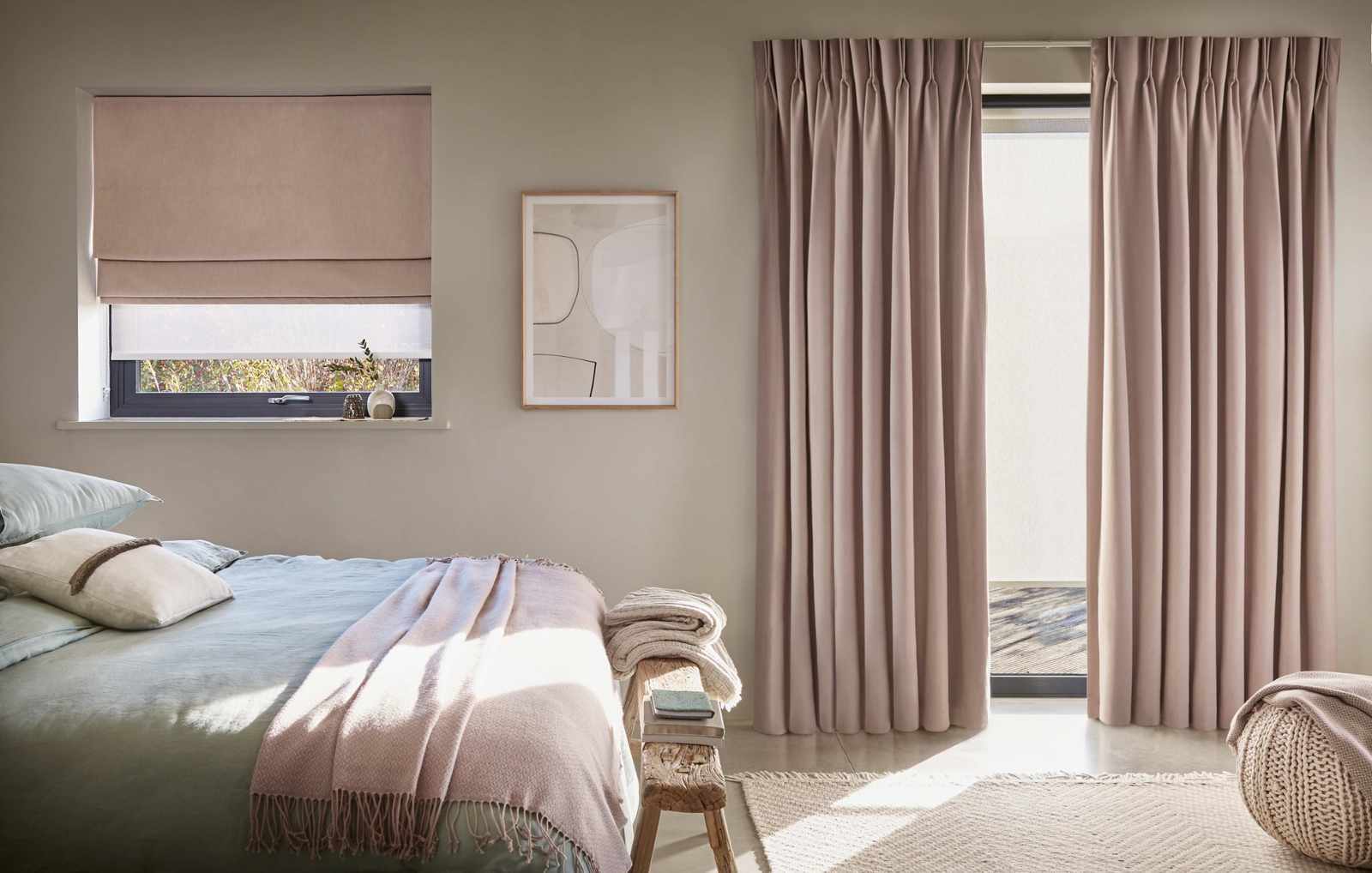
A delicate voile, for instance, filters the light and enhances privacy without overwhelming busy rooms. Linen is another excellent choice, being thicker than voile but lighter than cotton, and it brings a relaxed, cosy feel that can balance harsher textures.
Heavier curtains are well-suited to more minimal spaces, where they add a welcome sense of warmth and depth. This contrasts beautifully with smoother textures and muted colour palettes, enhancing your aesthetic by comparison.
Opt for a luxurious velvet or thick blackout cotton for a sweeping statement, and use colours and patterns to draw the eye.
These materials can work well in maximalist spaces, too. Rather than contrasting your aesthetic, they complement your bolder choice of textures and can lean into the extravagant paint finishes and rich woodwork.
Add touches of velvet or cotton throughout the room, using home textiles (like cushions and blankets) to create a seamless flow between your curtains and the rest of your space.
Woodwork textures
Woodwork plays a key role in how textures are layered within a room. Elements such as architraves, window boards, window sills, and skirting boards frame softer features - like curtains - giving the space definition and balance.
Rather than fading into the background, these subtle details can anchor your entire aesthetic.
Around windows and doors in particular, woodwork frames your room. Architraves and window boards bring structure, with clean lines guiding the eye and creating a feeling of purpose for functional elements.
In terms of layering, woodwork contrasts perfectly with the softer fabrics of your curtains. It balances your hard and soft textures for homes that feel more peaceful and harmonious.
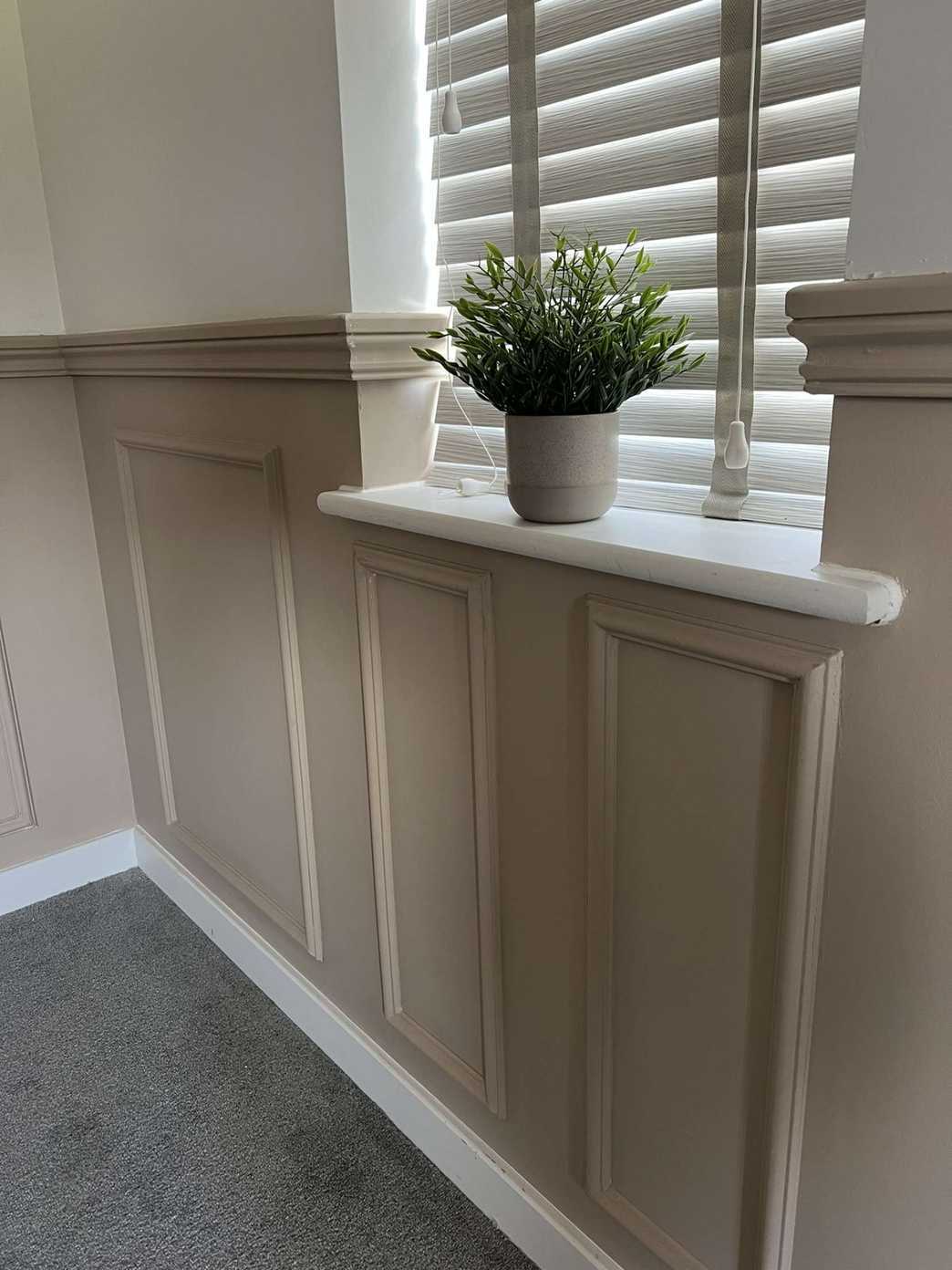
"We found out we were having a baby, so it was full steam ahead converting the spare room to his soon-to-be bedroom. He's due within the next week. It went very well – it was definitely a massive time saver ordering the materials pre-primed. Very happy with the outcome."
— Skirting World customer
Light, flowing fabrics benefit from the structure of well-defined woodwork, while heavier drapes feel grounded when framed by strong, clean lines.
Consider the profiles of your wood, too. Simple, bullnose pine skirting boards, for instance, have a smoother texture that suits modern interiors.
Decorative profiles, such as ogee or lamb's tongue, introduce character and traditional charm through their more obvious texture. This makes them a perfect choice for heritage-style interiors where richness and warmth are essential.

"The profile you choose creates its own textural language. A deep ogee catches light differently throughout the day, creating shadow lines that add visual depth to a room. Simpler profiles like square or bullnose reflect light more evenly, which works better with heavily textured curtains where you want the woodwork to frame rather than compete. Heavier drapes tend to pair better with more stately profiles that have a sense of weight to them."
Sultan Khan · Skirting World
Paint finishes
Don't underestimate the importance of paint finishes around your property. While not as tactile as your curtains or woodwork, they can still transform the feel of your rooms and feed into your style. The power of a paint finish can make or break your entire layering.
When exploring paint finish ideas for woodwork, consider your existing textiles. A satin finish on architraves and window sills, for instance, is going to subtly reflect light for a gloss that pairs perfectly with soft, flowing fabrics like voile or lightweight linen, enhancing their movement without overpowering them.
A matte finish offers a more understated look that tends to be easier to work with. It's more traditional, making it a go-to in heritage homes, but also fits the minimal aesthetic of modern interiors.
Another option is to choose woodwork and paint finishes that allow the natural grain of your timber to remain visible. This is a cottagecore staple and brings more warmth and texture to your space, while the sheer layer adds some protection and colour to your woodwork.
Bringing your textures together
When looking at your individual texture choices, it's important to see them as part of a whole. We've discussed mixing soft and hard textures and choosing the right paint for your style, but how do these elements work together?
One of the best ways to ensure cohesion is to repeat your textures and tones throughout the interior. If you've chosen unfinished pine for your skirting boards, for instance, opt for a pine coffee table or bookshelf to reflect your choice and create a seamless flow between elements.
You can also choose your textures based on a similar mood or style. If you love biophilic-inspired interiors, for instance, layer natural fabrics with an earthy feel and stick to an earth-toned colour palette.
Quick texture pairing guide
Modern minimal
Light linens + bullnose profiles + satin paint
Traditional heritage
Heavy velvets + ogee profiles + matte paint
Relaxed cottage
Cotton drapes + pine woodwork + natural finish
Final thoughts
Whether you're seeking cosy opulence or sleek minimalism, textured interior design ideas bring distinct moods to spaces. Layer with confidence using the tips in this article, and play around with curtains, paint, and woodwork to achieve a home you love.
Ready to experiment with woodwork? Order samples from Skirting World today.